 PersianDookht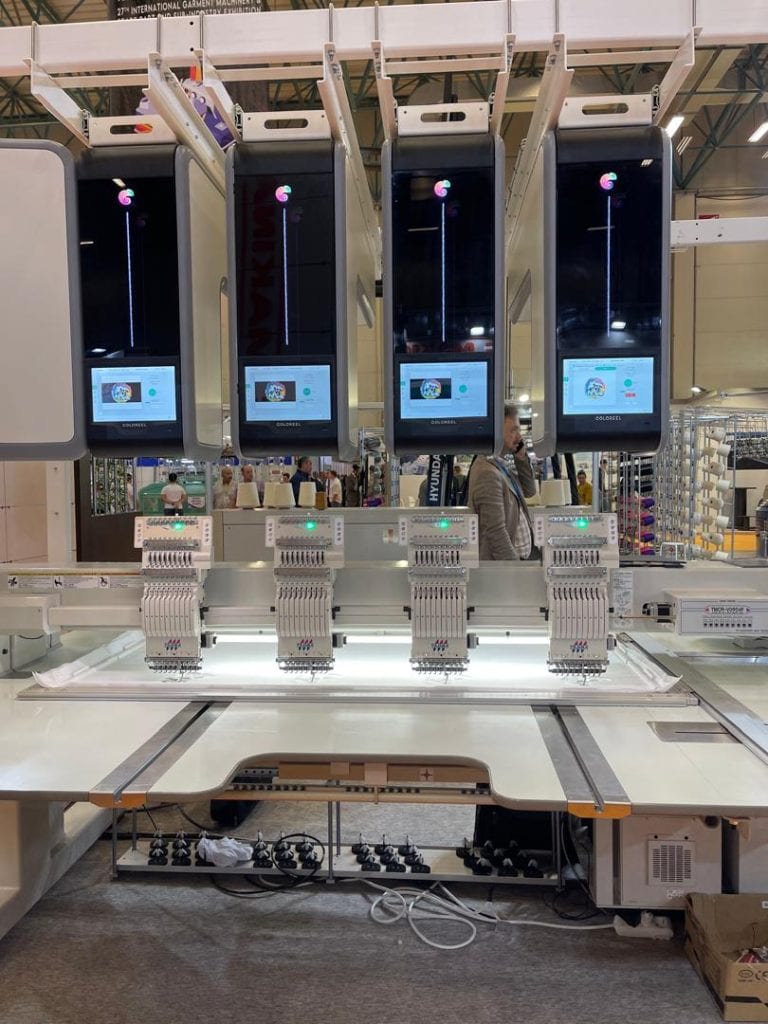
Specialized Board Design for Embroidery Machines
Specialized Board Design for Embroidery Machines
Embroidery machines require a coordinated combination of mechanical, electronic, and control systems to accurately execute different designs on fabric. Among these components, electronic boards play an important role in controlling and coordinating the machine's various functions.
Designing specialized boards for embroidery machines requires a detailed understanding of the machine's structure, how its different components operate, and its specific control requirements. A suitable board should be able to manage communication between different parts of the machine with appropriate accuracy, stability, and reliability.
What Is a Specialized Embroidery Machine Board?
A specialized embroidery machine board is an electronic system designed to control or manage specific functions of an embroidery machine. Depending on the machine's structure and requirements, the board may handle tasks such as receiving and processing commands, controlling certain motors, and coordinating different components of the machine.
Unlike general-purpose electronic boards, specialized boards for embroidery machines are designed according to the specific structure and requirements of a particular machine or system.
The Importance of Precise Board Design in Embroidery Machines
During the embroidery process, different movements of the machine need to remain synchronized. Even a small disruption in the coordination between different components can affect the quality of the embroidery, operating speed, or overall machine performance.
For this reason, several factors are considered when designing specialized boards for embroidery machines, including:
Accurate control and transmission of commands
Coordination between different machine components
Stable performance during continuous operation
Proper management of inputs and outputs
Consideration of the machine's operating conditions
Appropriate circuit and electronic pathway design
Easier maintenance and troubleshooting
Important Components in Embroidery Machine Board Design
Designing a specialized board is not limited to selecting electronic components. The overall board architecture must be designed according to the specific function it performs within the embroidery machine.
Control Circuit
The control section is responsible for receiving information and executing the commands required by the system. The appropriate architecture for this section depends on the type of machine and the expected performance.
Inputs and Outputs
Embroidery machines contain various components that require signals to be received or transmitted. Proper input and output design helps establish accurate communication between the board and other parts of the machine.
Motor Control
In many embroidery machines, precise movement of different components is essential. The control board must be able to properly manage the commands required by the machine's motion system.
Sensor Communication
Sensors can provide information about the status of different parts of the machine to the control system. Proper design of sensor-related circuits helps ensure that this information is received correctly and that the system can respond appropriately.
Challenges in Embroidery Machine Board Design
Designing a board for an embroidery machine differs from designing a general-purpose electronic circuit. The board must operate reliably under real working conditions and remain properly synchronized with other parts of the machine.
Some of the important challenges include electrical noise, signal synchronization, precise control of moving components, limited installation space, and the operating conditions of the machine.
The board design should also take maintenance and repair into account. Proper accessibility, the ability to test different sections, and an organized design can make troubleshooting and maintenance easier.
Designing Boards According to Machine Requirements
One of the most important aspects of specialized embroidery machine board design is understanding the differences between machines. Each machine may have a different structure, inputs, outputs, motors, and control system.
For this reason, a specialized board should be designed according to the actual specifications of the machine. Analyzing the machine's structure and identifying its electronic requirements are important steps before finalizing the board design.
From Design to Specialized Board Development
The board design process can include several main stages:
Analyzing the structure and operation of the machine
Identifying inputs and outputs
Reviewing control requirements
Designing the electronic circuit
Designing the PCB
Selecting appropriate components
Building a prototype
Testing and evaluating performance
Making necessary design improvements
Preparing the final version
These stages help ensure that the final board is properly evaluated for performance and compatibility with the machine before wider use.
Specialized Board Design at Persian Dookht
At Persian Dookht, the design of specialized boards for embroidery machines is considered part of the company's technical activities. The purpose of these designs is to develop electronic solutions that are adapted to the requirements of embroidery machinery and improve coordination between different parts of the system.
Understanding the embroidery process and the actual requirements of the machine, combined with knowledge of electronic circuit design, can play an important role in developing specialized control boards.
Conclusion
Specialized board design for embroidery machines combines knowledge of electronics, control systems, and a detailed understanding of machine operation. A board designed for an embroidery machine should not only function correctly, but should also provide appropriate stability, accuracy, coordination with the machine's components, and maintainability.
Designing boards according to the specific requirements of each machine can provide a foundation for developing customized control systems and improving the performance of embroidery machinery.
Contact Persian Dookht
For more information about Persian Dookht's technical activities in embroidery machinery and specialized board design, please contact us.
Comments
No comments yet.