Traditional trim
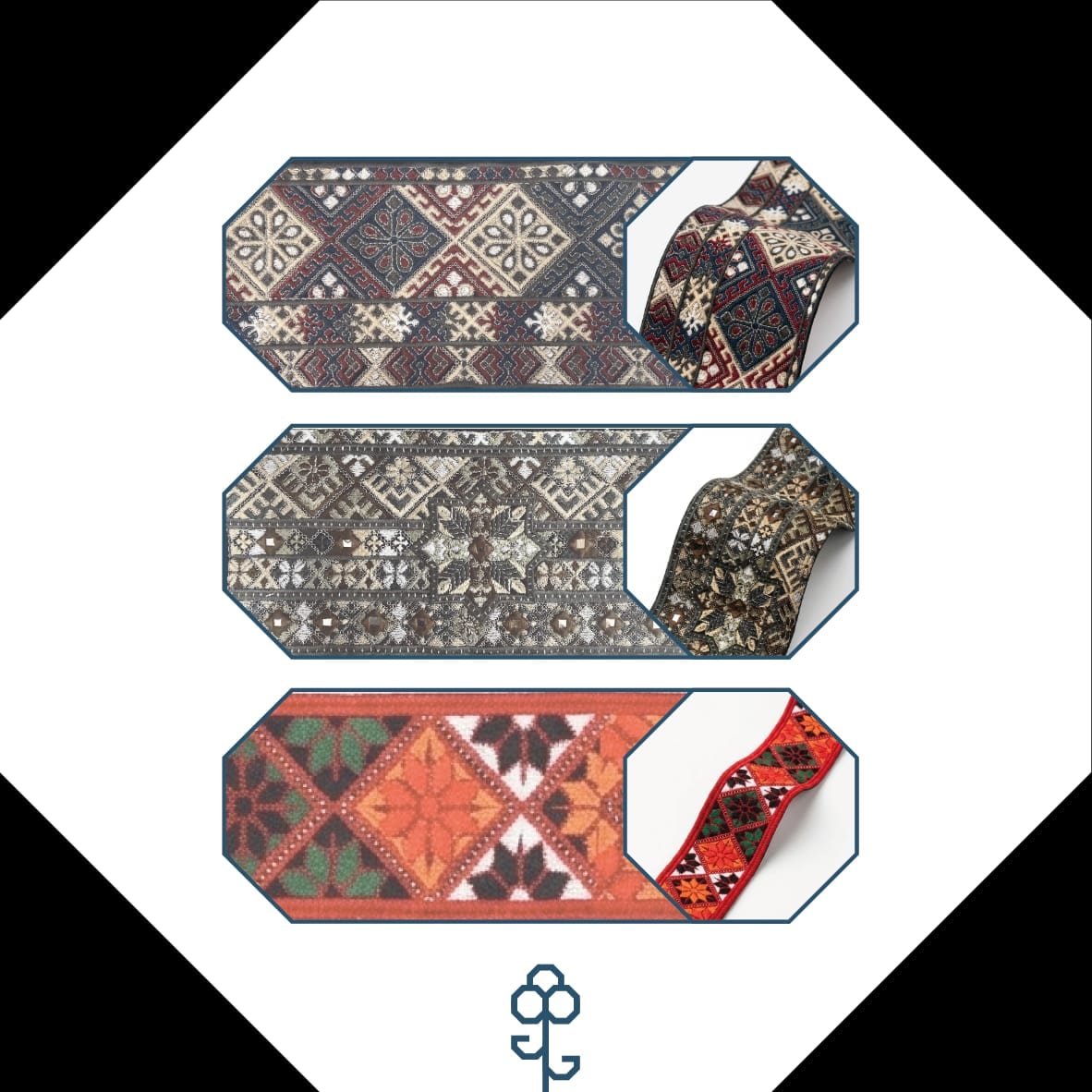
Here is the English translation of the provided file:
---
Introduction
Traditional trim is one of the decorative elements in fabric and clothing that, through the use of motif, color, and details of texture or stitching, gives a distinctive effect to different parts of a product. These trims can be used in clothing design, bedding, and other fabric products as borders or as part of the overall composition of the product.
The design and color of traditional trim can be chosen according to the type of fabric, style of the product, and intended application. Harmony between the trim, the fabric background, and other decorative details is also important in the final result.
On this page, we will become familiar with the concept of traditional trim, its characteristics, various applications, and how it is used in fabric products, and we will introduce part of Pershin Dookht’s activities in this field.
What Is Traditional Trim?
Traditional trim is a type of decorative band that is used to adorn parts of clothing and fabric products, inspired by motifs, color combinations, and methods common in traditional arts.
Trims can differ in width, design, color, and production method, and depending on the application, they are placed on borders or specific parts of the product. The choice of appropriate trim must be coordinated with the type and color of the fabric as well as the style of the product.
How Is Traditional Trim Selected and Used?
The selection of traditional trim is made according to the type of product, fabric, background color, and desired design. First, the place of use and required size of the trim are determined, and then the suitable design and color are chosen.
The trim can be used to create borders, separate different sections, or complete the decorative composition of a product. Precision in placement and correct execution are also important in the final appearance of the product.
Design and Color in Traditional Trim
Design and color are among the most important visual elements of traditional trim. Geometric, floral, traditional motifs, and various combinations of lines and shapes can be used in trim design.
The color of the trim must be harmonious with the fabric background and other components of the product. Sometimes choosing colors close to the background creates a calm and harmonious appearance, and sometimes color contrast turns the trim into one of the prominent elements of the product.
Application of Traditional Trim in Fabric Products
Traditional trim is used in various fabric products and can be used as a border or as part of the overall design, depending on the type of product.
Traditional Trim in Clothing
In traditional clothing and other garments, trim can be used on garment borders, collars, cuffs, hems, and various parts of the clothing. The choice of design and color of the trim must be coordinated with the style of the clothing and the type of fabric.
Traditional Trim in Bedding
In products such as bedspreads, pillowcases, and other bedding, traditional trim can be used to create borders and complete decorative details. The size and design of the trim are chosen according to the dimensions and design of the product.
Traditional Trim in Decorative Products
Traditional trims can also be used in various fabric and decorative products. In this application, the trim can play the role of a complementary detail and, alongside the fabric and other elements, complete the final composition of the product.
Traditional Trim and Contemporary Designs
The use of traditional trim is not limited to products with a completely traditional appearance. The design, color, and method of using the trim can be combined with contemporary designs and used in products with new forms and applications.
In this type of design, maintaining harmony between the trim, fabric, and product form is important so that the traditional element is naturally placed in the overall composition.
Traditional Trim at Pershin Dookht
Traditional trim is one of the areas of activity at Pershin Dookht and is used alongside needlework, mirror embroidery, and other decorative fabric arts.
In the selection and execution of trim, the type of product, fabric, design, and desired color combination are considered so that the trim is harmonious with the structure and overall appearance of the product. This element can be used in traditional clothing, bedding, and other fabric products.
To view executed samples and learn more about Pershin Dookht’s activities, you can refer to the portfolio section.
Conclusion
Traditional trim is one of the decorative elements of fabric and clothing that, through the use of motif and color, can complete the details and borders of various products. Its application extends from clothing and bedding to other fabric and decorative products.
The choice of design, color, size, and placement of the trim must be harmonious with the type of fabric and the application of the product. At Pershin Dookht, traditional trim is also used alongside the company’s other areas of work.
To view executed samples and become familiar with the diversity of Pershin Dookht’s design and execution, you can see the portfolio section.
Comments
No comments yet.