Bedding
Introduction
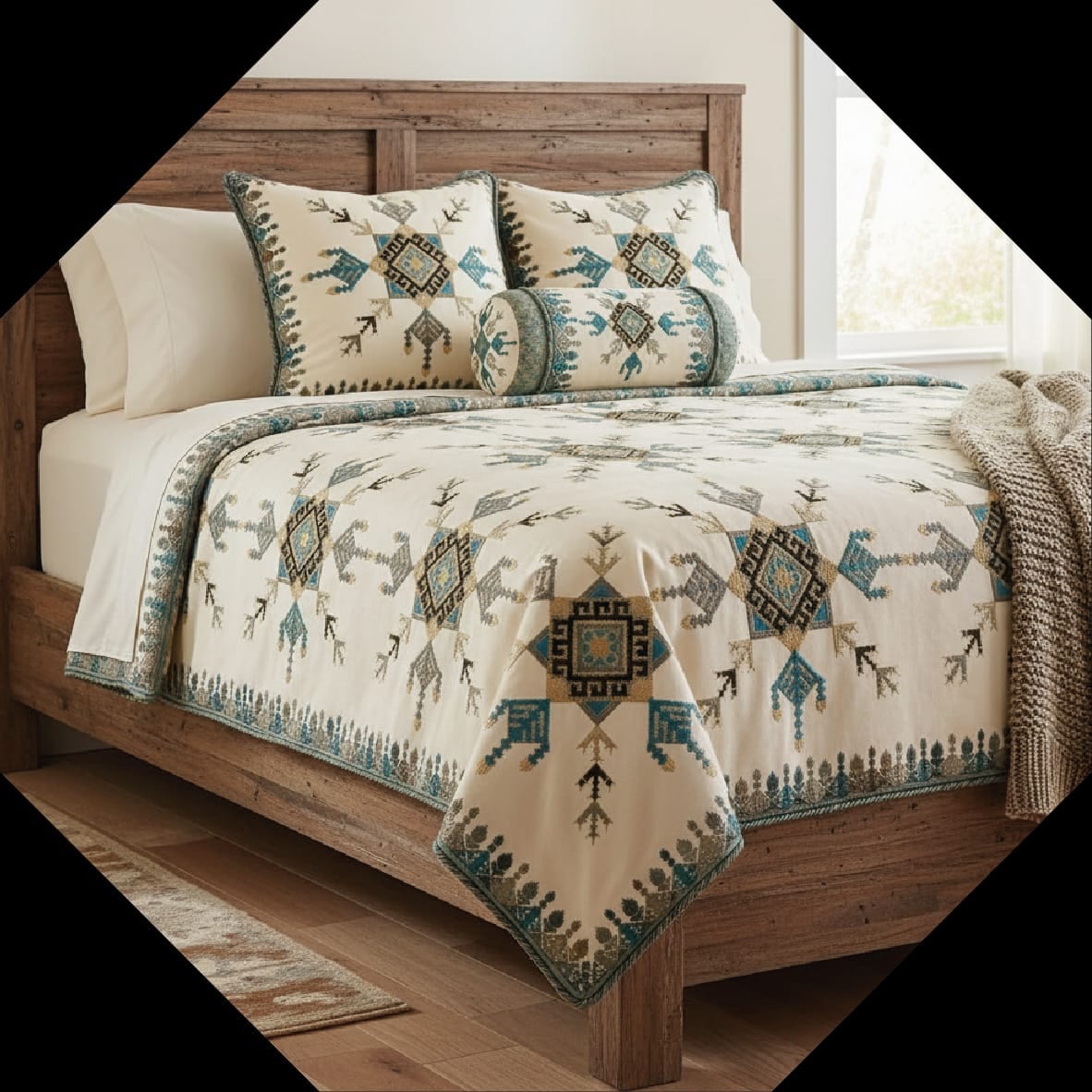
Bedding forms an important part of the bedroom space, and the choice of fabric, color, design, and stitching details can shape the appearance of this space. Products such as bedspreads, pillowcases, and other fabric coverings, in addition to their main function, also provide the opportunity to use decorative elements and traditional arts.
In bedding design, harmony between fabric, color, and motif is very important. The use of needlework, mirror embroidery, traditional trim, and other details can be part of the product design and create a distinctive appearance.
On this page, we will become familiar with the concept of bedding, types of products, the role of fabric and design in its creation, and how decorative arts are used in these products, and we will introduce part of Pershin Dookht’s activities in this field.
What Is Bedding?
Bedding refers to a collection of fabric products designed and produced for use and decoration in the sleeping space. Bedspreads, pillowcases, quilts, covers, and some other fabric coverings fall into this group.
The type of fabric, color, design, size, and stitching method are among the factors that can determine the characteristics of each product. Depending on the desired style, bedding design can be simple, traditional, decorative, or a combination of several methods.
Types of Bedding
Bedding includes various products, each with a different application and structure. The choice of product type depends on the need, bed size, type of use, and desired design style.
Bedspread
A bedspread is one of the main bedding products, which can be made with plain or patterned fabrics. The choice of color and motif for the bedspread is usually coordinated with the room space and other décor elements.
Pillowcase
In addition to its main function, a pillowcase can be part of the decorative composition of bedding. The use of traditional trim, needlework, or other decorative details can be considered in its design.
Quilt and Other Fabric Products
Quilts, covers, and other fabric products can also be designed according to the type of fabric, design, and stitching method. In these products, the harmony between size, application, and decorative details is important.
The Role of Fabric and Color in Bedding
Fabric and color are among the main elements in the appearance of bedding. The type of texture and material of the fabric can affect the appearance and feel of the product, and color also plays a role in its harmony with the room space.
In designs that use traditional arts, the choice of background color and detail color should be such that the motifs create a suitable combination alongside each other. Sometimes using harmonious colors creates a calm result, and sometimes combining contrasting colors makes the decorative details more prominent.
Traditional Arts in Bedding
Bedding can be a canvas for the use of traditional and decorative arts. Depending on the design and application of the product, needlework, mirror embroidery, and traditional trims can be used to create different details and borders.
Needlework in Bedding
Needlework can be used to create motifs on parts of bedspreads, pillowcases, and other fabric products. The size and placement of the motif must be coordinated with the dimensions of the product and the overall design.
Mirror Embroidery in Bedding
Mirror embroidery can also be used as a decorative element in parts of bedding. The placement of the mirrors, the design, and the thread color must be coordinated with the fabric and the application of the product.
Traditional Trim in Bedding
Traditional trim can be used to create borders or complete the design of bedspreads, pillowcases, and other fabric products. The choice of width, design, and color of the trim is made according to the product and the fabric background.
Bedding Design with a Traditional and Contemporary Approach
Combining traditional elements with contemporary designs makes it possible to create diverse products. Traditional motifs and details can be combined with simpler forms and modern applications so that the product, while having a decorative identity, is also harmonious with a new space.
In such designs, the harmony between design, color, fabric, and size of details is very important. The goal is for the decorative elements to be a natural part of the product structure and to influence its overall appearance.
Bedding at Pershin Dookht
Bedding is one of the areas of activity at Pershin Dookht, and it is possible to use fabric, motifs, and details of traditional arts in the design and execution of products in this section.
In designing each product, the type of fabric, color, size, design, and stitching details are considered according to the intended application. Depending on the project, needlework, mirror embroidery, and traditional trim can be used to create decorative details in bedding.
It is also possible to coordinate the product design with custom embroidery designs so that the final appearance is shaped according to the desired theme and taste.
To view executed samples and learn more about Pershin Dookht’s activities, you can refer to the portfolio section.
Conclusion
Bedding is not just a collection of functional products for the sleeping space; rather, fabric, color, design, and stitching details can play a role in shaping its appearance. Bedspreads, pillowcases, and other fabric products have the ability to be designed using decorative elements and traditional arts.
At Pershin Dookht, bedding is considered alongside needlework, mirror embroidery, traditional trim, and other areas of the company’s activity, and the design of each product can be carried out according to the fabric, design, and intended application.
To view executed samples and learn about Pershin Dookht’s working method, you can see the portfolio section.
Comments
No comments yet.