Traditional clothing
Introduction
Traditional clothing is part of the culture and art of different regions, and in its design, fabric, color, motif, and stitching method come together. Differences in covering, motifs, and decorative details have given the traditional clothing of each region its own specific visual characteristics.
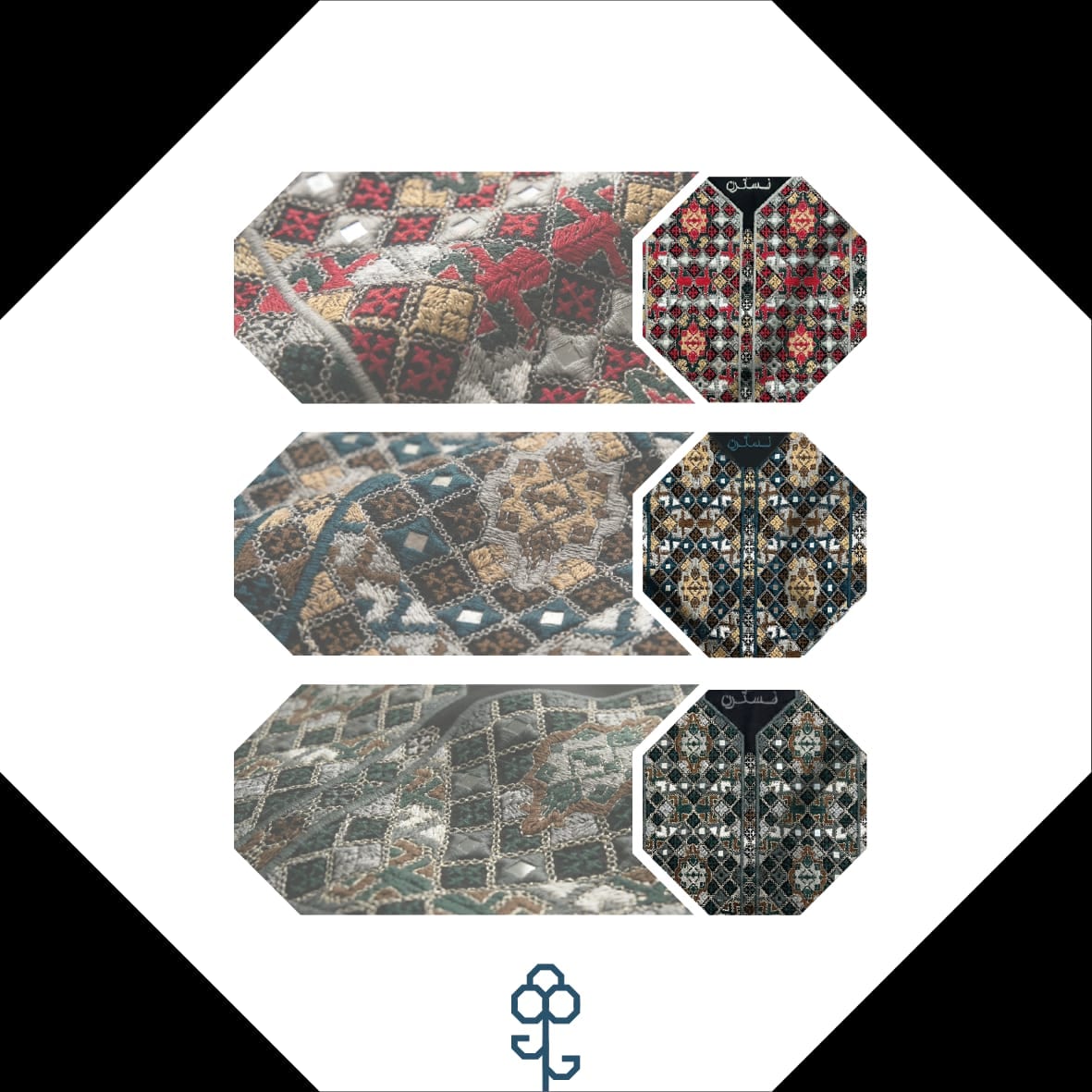
In the design and decoration of traditional clothing, arts such as needlework, mirror embroidery, and traditional trims can be used. The way these elements are selected and placed must be harmonious with the garment's form, type of fabric, and desired style.
On this page, we will become familiar with the concept of traditional clothing, the main elements of design, the role of decorative arts, and the combination of tradition and contemporary design, and we will introduce part of Pershin Dookht’s activities in this field.
What Is Traditional Clothing?
Traditional clothing refers to garments in whose design, fabric, motif, color, or stitching method the cultural and indigenous characteristics of a region or community have been used.
These garments can differ greatly in shape, color, type of fabric, and decorative details. Some traditional clothing is simpler, while others are completed with motifs, trims, stitching, or various decorative elements.
The main characteristic of traditional clothing is not limited to its appearance; the way fabric is used and the method of executing details can also shape part of the identity of this covering.
Main Elements in Traditional Clothing Design
In traditional clothing design, several elements come together to shape the final appearance of the garment. Fabric, color, motif, garment form, and decorative details are among the most important of these elements.
Harmony among these parts is very important. For example, the decorative design must be proportionate to the garment's form and the type of fabric, and the color of details must be harmonious with the garment's background.
Fabric and Color
The choice of fabric and color is one of the important stages of traditional clothing design. The type of fabric can affect the form, appearance, and method of executing details, and color also plays a role in creating harmony among the different parts of the garment.
Motif and Design
Geometric, floral, traditional motifs, and various combinations of lines and shapes can be used in clothing design. The placement of the motif on the collar, cuffs, borders, or other parts of the garment must be harmonious with its overall structure.
Stitching and Decorative Details
Stitching and decorative details can be an important part of the appearance of traditional clothing. Needlework, mirror embroidery, and traditional trims are among the elements that can be used to create different details and borders in clothing.
Needlework in Traditional Clothing
Needlework is one of the methods of decorating traditional clothing that can be executed on parts such as the collar, cuffs, borders, and various parts of the fabric.
The choice of design and thread color must be harmonious with the type of fabric and style of the garment. The amount of needlework can also vary from a limited detail to a significant part of the clothing design.
Mirror Embroidery in Traditional Clothing
Mirror embroidery can create different details in clothing by placing small mirror pieces on the fabric. The placement of the mirrors, their size, thread color, and overall design must be chosen in accordance with the garment's form and type of fabric.
Traditional Trim in Clothing
Traditional trim can be used to decorate garment borders, collars, cuffs, and other parts of clothing. The width, design, and color of the trim must be harmonious with the fabric and the overall composition of the garment.
Traditional Clothing and Contemporary Designs
While preserving its cultural and decorative elements, traditional clothing can also be combined with contemporary designs. Changes in form, choice of fabric, or the way motifs are used can expand the application of traditional clothing for new tastes and needs.
In this approach, the goal is not to eliminate traditional characteristics; rather, known elements can be harmonized with new forms and applications. The harmony between motif, fabric, color, and decorative details still maintains its primary importance.
Custom Design for Traditional Clothing
In some projects, the desired design is created from the outset for a specific garment or collection. In this case, the motif, size, color combination, and placement of details can be determined in accordance with the garment's form.
The possibility of designing and executing custom embroidery designs can also be used for garments that require a specific motif or combination. This method ensures that decorative details are harmonious with the structure and application of the garment from the beginning.
Traditional Clothing at Pershin Dookht
Traditional clothing is one of the areas of activity at Pershin Dookht, and in its design and decoration, fabric, motifs, and various sewing arts can be used.
Depending on the type of project, needlework, mirror embroidery, and traditional trim can be used in different parts of the garment. The choice of design, color, and placement of details is made according to the type of clothing and desired appearance.
Also, in projects that require a specific motif or different design, it is possible to design and execute custom embroidery designs.
To learn more about the working method and to view executed samples, you can refer to Pershin Dookht’s portfolio section.
Conclusion
Traditional clothing is a combination of fabric, color, motif, and stitching method, and decorative details can form an important part of its visual identity. Needlework, mirror embroidery, and traditional trim are among the elements that can be used in the design and decoration of this type of clothing.
At Pershin Dookht, traditional clothing is placed alongside the company’s other areas of activity, and the design and execution of its details can be carried out in accordance with the type of fabric, garment form, and desired design.
To view executed samples and become familiar with the diversity of Pershin Dookht’s work, you can see the portfolio section.
Comments
No comments yet.