Custom Design of Embroidery Patterns
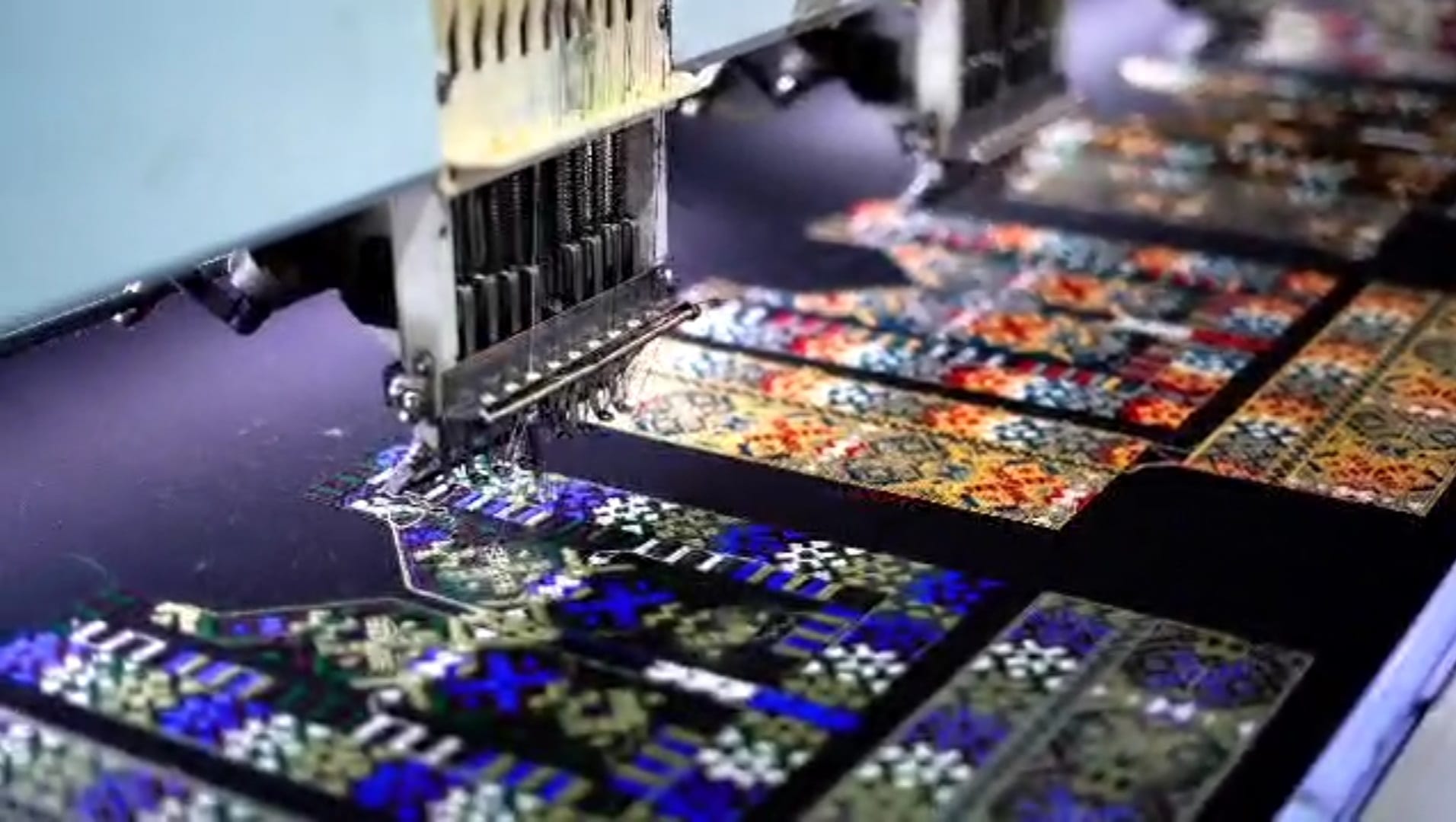
Here is the English translation of the provided file:
---
Introduction
Custom design of embroidery patterns becomes important when a ready-made design does not meet the desired need or taste, and a motif needs to be designed from scratch for a specific product, fabric, or project. In this process, the initial idea can take shape based on the theme, taste, desired colors, type of product, or even a reference image or sample.
In custom design, not only the appearance of the motif is considered; the dimensions of the design, the placement, the type of fabric, the thread color, and the method of executing the embroidery must also be considered from the outset. For this reason, design and execution can be carried out as a continuous process so that the final result is harmonious with the intended application.
At Pershin Dookht, it is possible to design and execute custom embroidery designs based on the desired idea and need. On this page, we will become familiar with this service, its steps, and the various applications of custom designs.
What Is Custom Design of Embroidery Patterns?
Custom design of embroidery patterns refers to a process in which a motif is designed according to the desired theme, taste, dimensions, and application, so that it is ready for embroidery execution on fabric or a product.
In this type of design, the design can take shape from an initial idea, description, image, reference sample, or a combination of several. Then, visual elements such as the form of the motif, composition, size, and colors are adjusted according to the place and method of embroidery execution.
An important feature of custom design is that the design is formed from the outset for a specific need, and its details can be harmonized with the intended product and fabric.
For Which Projects Is This Service Suitable?
Custom design of embroidery patterns can be suitable for projects that require a different motif, a specific combination, or a design suited to a particular product. This service is more applicable when the dimensions, color, theme, or placement of the embroidery are already determined and the design must be prepared based on those conditions.
This process can be used for traditional clothing, bedding, decorative fabrics, and other fabric products. Also, in projects where there is an idea or initial sample, that idea can be turned into an executable design.
Steps of Designing and Executing a Custom Design
The design and execution of a custom design are usually carried out in several stages. The order and details of each stage can differ depending on the type of project and product.
Receiving the Idea and Need
First, the desired theme, taste, and need are examined. The idea can be presented as a description, image, reference sample, combination of several motifs, or an initial design. The goal of this stage is to determine the overall direction of the design.
Examining the Product and Fabric
The type of product, the material and color of the fabric, the dimensions of the placement area, and the final application are examined. This information affects the form, size, and details of the design and helps the design be created from the outset in accordance with the embroidery placement area.
Designing the Motif and Composition
In this stage, the main structure of the motif is formed, and its various elements are placed next to each other. The form, size, repetition of the motif, and the arrangement of details are adjusted according to the product and the available space.
Selecting Colors and Details
The desired colors and details of the design are determined according to the background color, the type of product, and the overall style of the work. Harmony between the fabric color and the thread can play an important role in the final appearance of the embroidery.
Preparing the Design for Execution
After the design, its size, and details are determined, it is prepared for embroidery execution. In this stage, matters such as the exact placement, the scale of the design, and the details needed for implementation on the fabric are examined.
Executing the Embroidery
If needed, the execution of the design is also carried out, and the designed motif is executed on the intended fabric or product. The method of execution is chosen according to the type of fabric, the design, and its details so that the final result is harmonious with the design.
What Information Is Needed for Custom Design?
To start a custom design, the more precise the information about the product and the desired taste, the clearer the design path will be. Some of the information that can be used in this process includes:
Theme or Idea
The main theme of the design, the intended concept, or the idea that should be reflected in the motif can be the starting point of the design. Even a simple description can be useful for forming the initial idea.
Dimensions and Placement
The approximate size of the design and the place where the embroidery is to be executed are important in the design. A motif for a garment border has different requirements from a design that is to cover a large part of a fabric.
Type of Product and Fabric
Knowing the product and fabric helps the design be harmonized with its structure in terms of size, details, and method of execution. Clothing, bedding, and decorative fabrics can have different needs.
Desired Colors
If a specific color is intended for the design or thread, it can be taken into account from the outset in the composition. Otherwise, the color selection can be made based on the fabric and the overall style of the design.
Style or Reference Sample
If a specific sample, image, or style is intended, it can be used as a design reference. A reference sample does not necessarily mean copying a design; it can be used to determine the desired form and mood.
Difference Between Ready-Made Design and Custom Design
A ready-made design is usually designed in advance and can be used for general or specific applications; however, in custom design, the motif is formed based on the needs of a project.
In custom design, the theme, dimensions, color, composition, and placement of the motif can be determined in accordance with the product. This is especially important when the design must be harmonious with a specific fabric, garment, or product.
For this reason, custom design can create a closer connection between the initial idea, the product structure, and the final embroidery result.
Applications of Custom Embroidery Designs
Custom embroidery designs can be used in various fields of fabric products and clothing. The type of design and the amount of detail also change according to the final application.
Custom Design for Traditional Clothing
In traditional clothing, a custom design can be created for parts such as the collar, cuffs, borders, or specific parts of the garment. The dimensions and composition of the motif must be harmonious with the garment's form and type of fabric.
Custom Design for Bedding
In products such as bedspreads and pillowcases, the design can be created for a specific part or repeated across the product surface. In this application, the size of the product and the placement of the motif are very important.
Custom Design for Fabric and Decorative Products
Decorative fabrics and other fabric products can also be embroidered based on a custom design. In these projects, the composition and size of the motif can be adjusted according to the dimensions and application of the product.
Custom Design of Embroidery Patterns at Pershin Dookht
Pershin Dookht provides the possibility of designing and executing custom embroidery designs based on the desired theme, taste, and need. The initial idea can take shape from a description, image, reference sample, or a combination of several ideas.
At the start of the project, the type of product, fabric, dimensions of the placement area, and desired style are examined. Then, the design is created according to these conditions and prepared for embroidery execution. If needed, the execution of the same design on the fabric or product is also carried out.
This process ensures that the design and execution of the embroidery are harmonious with the intended product from the outset, and it becomes possible to create motifs suited to a specific project.
To view executed samples and learn more about Pershin Dookht’s working method, you can refer to the portfolio section.
Conclusion
Custom design of embroidery patterns is a way to turn a specific idea, theme, or taste into a motif suited to a particular product and fabric. In this process, from the formation of the idea and the design of the motif to the selection of colors, preparation, and execution of the embroidery, each stage can be harmonized with the project's needs.
At Pershin Dookht, the design and execution of custom embroidery designs are carried out alongside the company’s other areas of activity and can be used for traditional clothing, bedding, decorative fabrics, and other fabric products.
Comments
No comments yet.